// The Physiological Logic
By night, decision fatigue is high and prefrontal inhibitory control declines. If you under-ate during the day, slept poorly, or carried chronic stress, the autonomic brain initiates an urgent compensatory search for hyper-palatable glucose and fats.
Why Nighttime Cravings Strike When Willpower Is Lowest
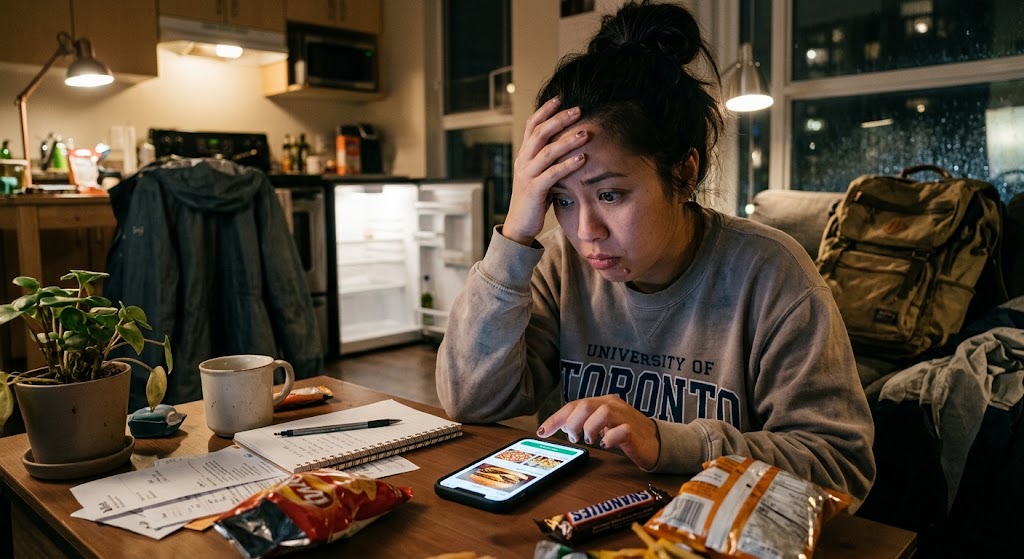
Late-night refrigerator raids are rarely a moral failing or lack of character. They represent the biological intersection of circadian hormone shifts, prefrontal decision fatigue, and the brain's neurochemical quest for rapid dopamine reward when energy reserves are exhausted.
Why do I get intense cravings for sugar and junk food late at night?
By late evening, your prefrontal cortex has spent 14 to 16 hours filtering distractions and regulating decisions. As this executive control tires, the primitive limbic system takes over, demanding instant, calorically dense fuel to counter cumulative energetic and psychological deficits.
Night cravings reflect biological energy and dopamine depletion, not a character flaw.
How evening ghrelin surges, prefrontal willpower fatigue, and dopamine seeking drive cravings
Circadian clocks naturally raise levels of ghrelin (the hunger hormone) in the late evening while leptin (the satiety hormone) dips. Simultaneously, serotonin and dopamine levels trough. Highly refined sugars and fats trigger rapid dopaminergic release in the nucleus accumbens, delivering an immediate chemical feeling of relief.
Hyper-palatable foods temporarily substitute for restorative sleep and emotional decompression.
What daytime carbohydrate restriction, sleep debt, and stress do to nighttime binge loops
Extreme daytime calorie restriction, skipping breakfast, and accumulative sleep debt elevate nighttime cortisol. Elevated cortisol sensitizes reward pathways to hyper-palatable snacks. When combined with late-night blue screen exposure, melatonin suppression delays sleep onset, prolonging the window of vulnerability.
Severe daytime under-eating or sleep deprivation guarantees intense nocturnal hunger rebounds.
How to break the midnight hedonic eating loop with biochemical protein anchors
Breaking the cycle requires biochemical stabilization rather than sheer willpower. Ensure adequate dietary protein (25–35g) and prebiotic fiber at dinner to blunt nocturnal glucose crashes. If evening hunger arises, consume a pre-planned protein-fat anchor, drink 300ml of water, and dim overhead lighting 60 minutes before bed.
Front-loading adequate protein and dietary fiber stabilizes nocturnal glucose and quenches cravings.
When to Seek Medical Care
- • Binge eating episodes characterized by complete loss of control, severe distress, shame, or compensatory purging.
- • Unexplained rapid weight loss, extreme persistent thirst (polydipsia), and frequent nocturnal urination (polyuria).
- • Intense night cravings accompanied by severe dizziness, postural fainting, or sudden shakiness suggesting reactive hypoglycemia.
- • Disordered eating compulsions causing marked emotional despair, isolation, or medical risk.
What to Do Next
Food behavior is shaped by interconnected biological circuits: sleep architecture, circadian rhythm, cortisol curves, nutritional balance, and environmental cues.
"Your midnight cravings are frequently asking a biological question: did your body receive enough energy, emotional safety, and restorative rest before this day ended?"
What DrLina Notices Often
Patients frequently blame lack of willpower when the actual root cause was skipping protein and complex carbohydrates at lunch.
Screen exposure past 10 PM disrupts melatonin and prolongs the waking state, triggering a secondary ghrelin spike.
Replacing late-night food restriction with an intentional, balanced protein-fiber evening snack dramatically cuts binge frequency.
Evaluating sleep debt is usually the fastest medical intervention for unexplained nocturnal hyperphagia.
Circadian Ghrelin & Metabolic Craving Pacer
Extended time since your last balanced meal combined with circadian evening ghrelin elevation increases hedonic craving intensity by up to 300%. Stabilize blood sugar with a protein-rich anchor (such as Greek yogurt or a handful of almonds) and 300ml of water before bedtime.
// How DrLina Can Help You : Why You Crave Junk Food at Night Even When You Promised You Wouldn't

This care card summarizes how DrLina AI clarifies physiological signals and symptoms. Late-night food cravings are driven by circadian ghrelin elevation, diminished nocturnal leptin receptor sensitivity, and prefrontal dopamine depletion seeking rapid neurological reward after prolonged decision fatigue.
Why You Crave Junk Food at Night Even When You Promised You Wouldn't
Night cravings can be linked to poor sleep, stress, skipped meals, restriction, habit loops, emotional fatigue, dehydration, or easy access to highly rewarding foods.
“Late-night food cravings are driven by circadian ghrelin elevation, diminished nocturnal leptin receptor sensitivity, and prefrontal dopamine depletion seeking rapid neurological reward after prolonged decision fatigue.”
Physical anomalies (such as persistent morning exhaustion, unrefreshing sleep, or cognitive fatigue) are multifactorial and can stem from lifestyle factors, psychological stress, or formal medical conditions. If you experience severe daytime somnolence that risks driving safety, nocturnal breathing pauses or choking, sudden chest pain, or neurological deficits, immediately schedule an in-person diagnostic evaluation with a qualified medical professional.
What to Ask DrLina About This
Tap any question to place it directly into the clinical companion workspace.
Frequently Asked Clinical Questions
Why do sugar cravings peak late in the evening?
Late-night cravings are driven by circadian rhythm biology, low evening dopamine, and sleep debt. When tired, the hormone ghrelin (hunger) rises while leptin (satiety) drops, prompting the brain to demand fast-acting glucose (sugar and refined carbs) to compensate for fatigue.
Is night snacking caused by hunger or emotional exhaustion?
Often both. Fatigue reduces prefrontal willpower, while the brain seeks dopamine and serotonin spikes from sugar and fat to soothe end-of-day stress before sleep.
How can I curb late-night junk food cravings?
Ensure balanced protein and fiber intake during dinner, drink a warm herbal tea, dim screens 1 hour before bed, and establish a firm sleep time so the body enters rest rather than seeking energy from food.
Late-night food cravings are driven by circadian ghrelin elevation, diminished nocturnal leptin receptor sensitivity, and prefrontal dopamine depletion seeking rapid neurological reward after prolonged decision fatigue.
Primary Scientific Citations
Synthesized by the DrLina Clinical Intelligence Engine and reviewed by the Dr. Lina AI Medical Board against peer-reviewed clinical benchmarks:
Circadian regulation of human appetite: evening peak in ghrelin and delayed leptin satiety signaling
Nocturnal dopamine seeking, prefrontal executive fatigue, and ultra-processed food reward circuitry
Sleep restriction elevates circulating endocannabinoid 2-arachidonoylglycerol and selectively drives evening hedonic snacking
Why Your Chest Hurts During Anxiety
Understand how acute anxiety triggers intercostal spasms, hyperventilation, and chest tightness, and how to tell it apart from cardiac emergencies.