DrLina
Navigation
DrLina Article Library

Health articles that do not end at reading.

DrLina articles are built to reveal the human truth behind a search, explain the body carefully, show when to seek medical care, and open a page-aware conversation when the reader needs context.

Search articles

Recognition ready

Articles are crawlable, structured, and connected to search, feeds, and AI-readable context.

Conversation first

Every strong article can open DrLina with the exact topic the reader was already carrying.

Safety boundary

DrLina educates and helps organize next steps. It does not diagnose or replace medical care.

DrLina Article Engine

A safety-first health article library built to bring search traffic into clearer care decisions.

DrLina Articles turns symptom searches, wound-care questions, sleep concerns, anxiety symptoms, fever, dizziness, diabetes warning signs, nutrition questions, and everyday body signals into plain-language explanations, red flags, first-aid education, and article-aware DrLina chat. Every article is educational, not a diagnosis, and is designed to show when medical care should be considered.

symptom guidancewound care educationsleep recoveryanxiety body symptomsfever and dizzinessdiabetes warning signsnutrition and cravingsfirst aid education

Browse by health world

Topics DrLina is building around

19 articles

All articles

Brain, Focus & Memory6 min read

Why Your Brain Feels Tired Even After Sleeping 8 Hours

Your brain may feel tired after 8 hours of sleep when sleep quality, timing, stress, screens, breathing, hydration, mood, pain, illness, or burnout disrupt recovery. Hours in bed do not always mean restorative sleep.

Read article
Body Signals6 min read

Why Your Heart Races Randomly Sometimes

A racing heart may happen with stress, caffeine, dehydration, fever, low blood sugar, medicines, hormones, anemia, thyroid changes, or rhythm problems. Seek care for chest pain, fainting, severe breathlessness, confusion, or very fast irregular rhythm.


Read article
Stress & Anxiety In The Body6 min read

Why Anxiety Can Feel Like a Real Physical Illness

Anxiety can cause real physical symptoms through the body's threat system, including racing heart, chest tightness, dizziness, nausea, shaking, sweating, and weakness. New, severe, or red-flag symptoms should be checked medically.

Read article
Sleep & Recovery5 min read

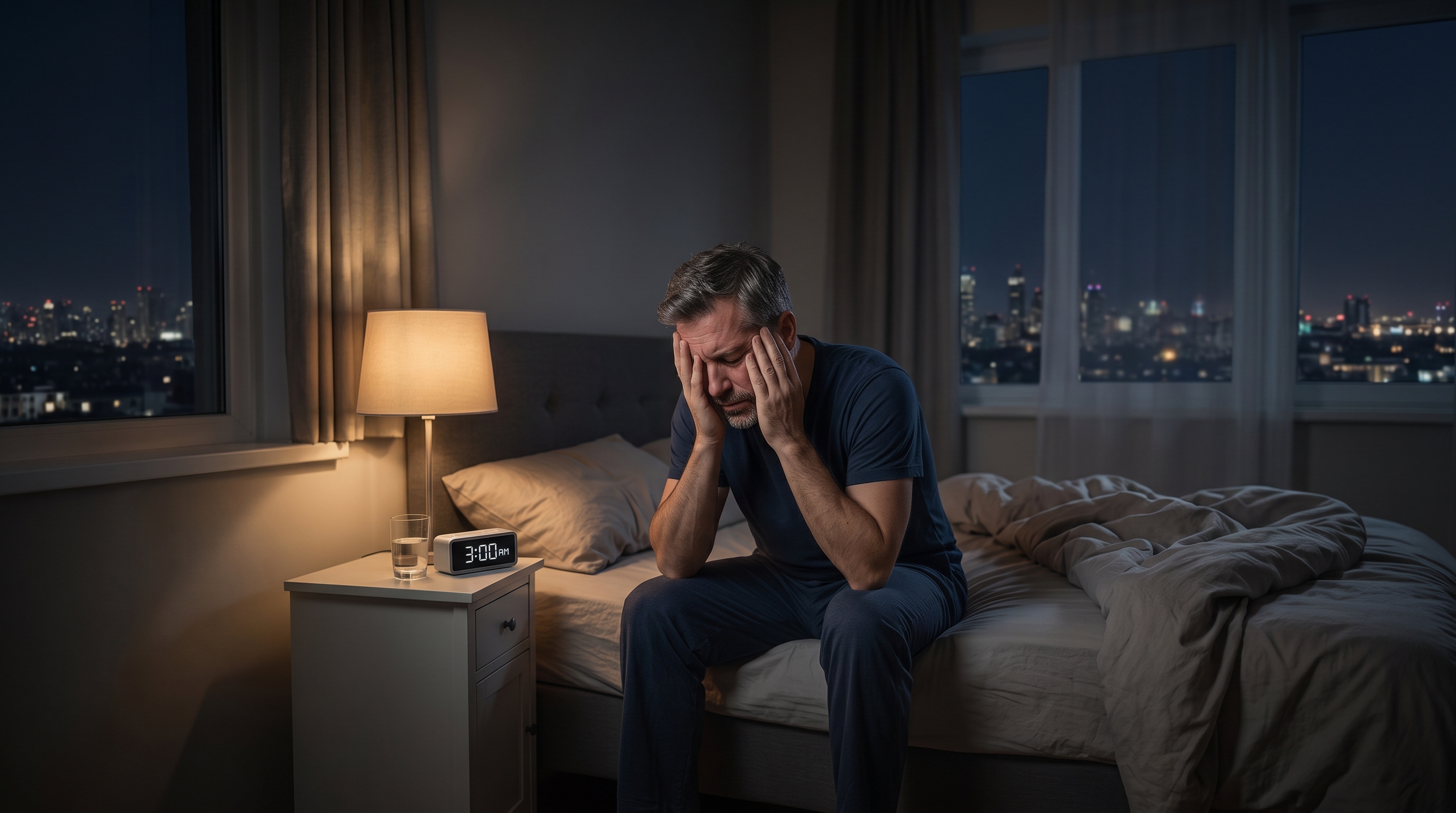
Why Your Body Wakes You Up at 3AM Repeatedly

Repeated waking around 3AM may relate to sleep cycles, stress, alcohol, late meals, caffeine, room temperature, pain, urination, breathing issues, anxiety, or blood sugar changes. Seek care if it is severe, worsening, or paired with red flags.

Read article
African Everyday Health6 min read

Malaria, Flu, or Stress: Why Symptoms Can Feel Confusing

Malaria, flu-like infections, dehydration, heat, and stress can overlap with fever, weakness, headache, body aches, chills, nausea, and fatigue. In malaria-risk areas, testing and red-flag awareness are safer than guessing.

Read article
Brain, Focus & Memory5 min read

Why You Suddenly Forget Things When Under Pressure

People can forget under pressure because stress shifts attention toward threat monitoring, reducing working memory and recall. If the memory returns later, access may have been blocked rather than erased. Sudden confusion, head injury, or neurological symptoms need medical care.

Read article
Stress & Anxiety In The Body5 min read

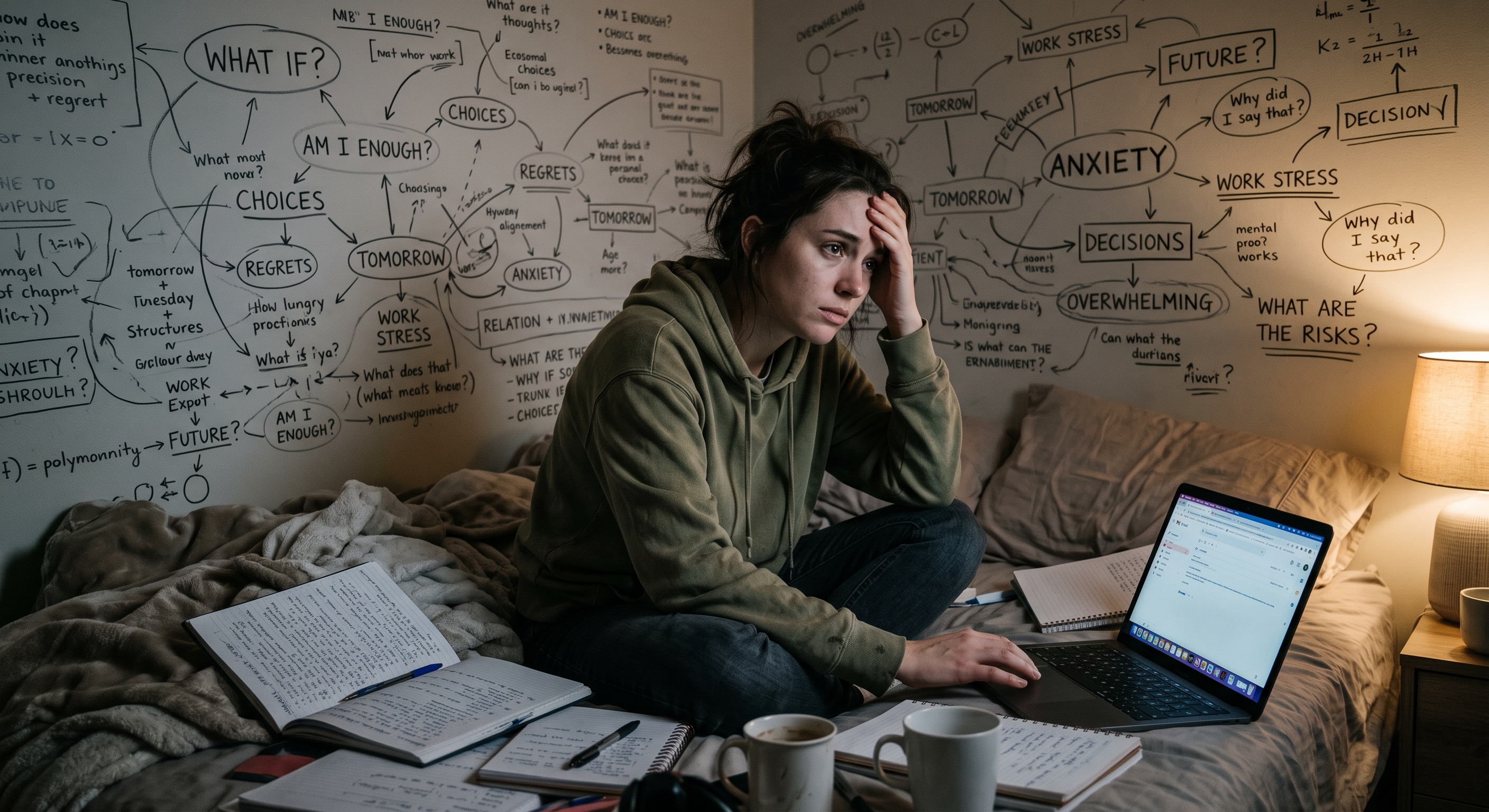
Why Overthinking Exhausts Your Body

Overthinking can make you tired because repeated worry keeps the stress system active, affecting muscles, breathing, sleep, digestion, focus, and energy. Severe panic, hopelessness, or self-harm thoughts need support.

Read article
Nutrition, Weight & Cravings5 min read

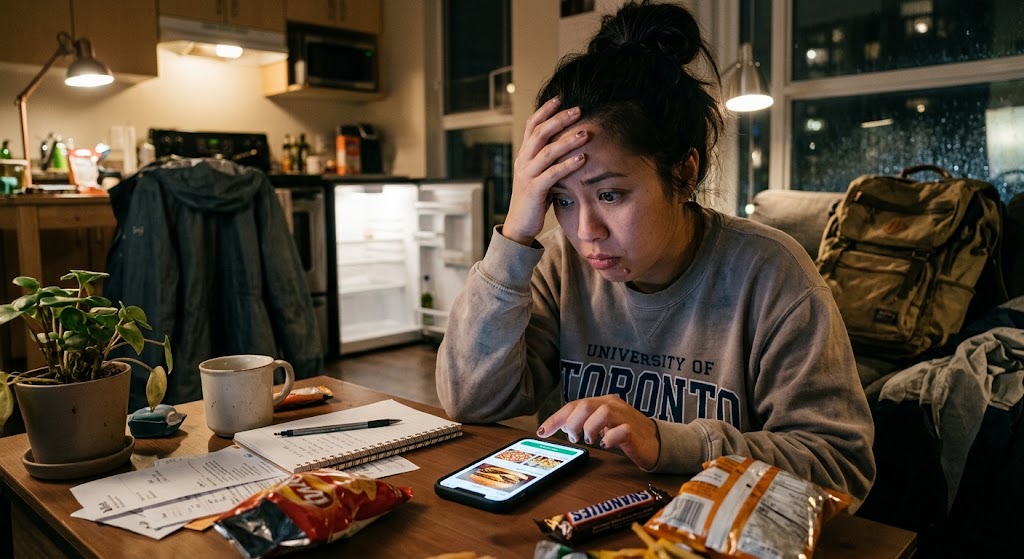
Why You Crave Junk Food at Night Even When You Promised You Wouldn't

Night junk-food cravings may come from under-eating, stress, fatigue, poor sleep, restriction, blood sugar swings, boredom, habit loops, or emotional comfort needs. Loss of control, purging, or severe shame deserves support.

Read article
Stress & Anxiety In The Body5 min read

Why Your Chest Can Hurt During Anxiety

Anxiety can cause chest discomfort through muscle tension, breathing changes, adrenaline, reflux, and body scanning. Seek urgent care for pressure, spreading pain, fainting, severe breathlessness, sweating, nausea, confusion, or known heart risk.

Read article
Body Signals5 min read

When Is Dizziness Dangerous?

Dizziness is more concerning with fainting, chest pain, severe headache, confusion, trouble speaking, one-sided weakness, severe breathlessness, head injury, pregnancy, older age, diabetes, or severe/worsening symptoms.

Read article
Silent Conditions5 min read

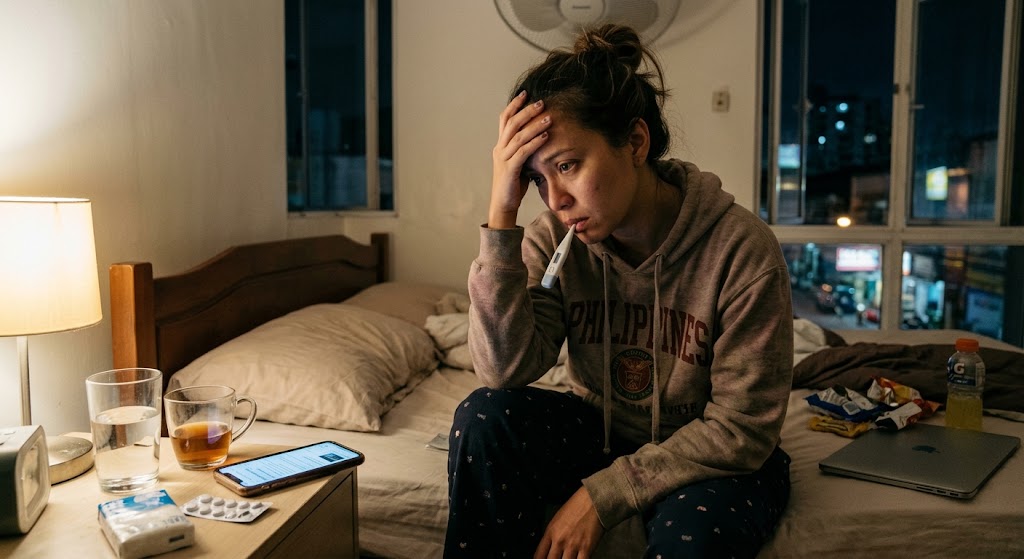
When Fever Should Be Taken Seriously

Fever should be taken seriously when it is severe, persistent, worsening, or paired with confusion, seizure, stiff neck, severe headache, trouble breathing, dehydration, rash, chest pain, pregnancy, infancy, older age, immune risk, or malaria exposure.

Read article
Silent Conditions5 min read

Early Signs of Diabetes Many People Miss

Early diabetes signs can include increased thirst, frequent urination, fatigue, blurry vision, slow-healing wounds, repeated infections, hunger or weight changes, tingling, or numbness. Testing and medical review matter when patterns appear.

Read article
Daily Human Health5 min read

Why Your Body Feels Weak After Arguments

Your body may feel weak after arguments because conflict activates the stress response, muscle tension, breathing changes, adrenaline, crying, fear, and emotional exhaustion. Unsafe conflict, injury, chest pain, fainting, or self-harm thoughts need urgent support.

Read article
Skin, Wounds & Visible Health5 min read

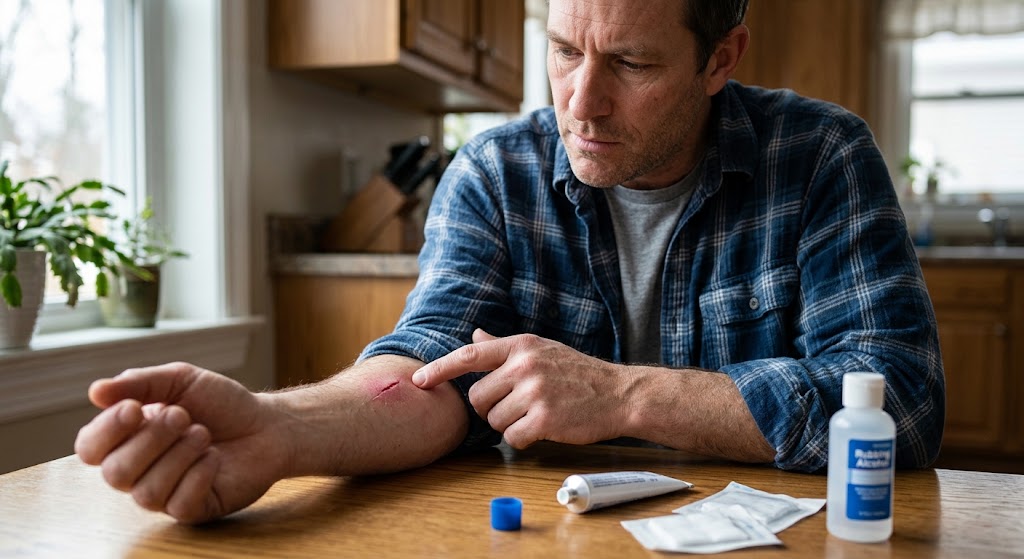
Why Wounds Sometimes Heal Slowly

A wound may heal slowly because of infection, depth, repeated friction, poor protection, diabetes, poor circulation, nutrition issues, smoking, immune risk, contamination, tetanus-related injury concerns, or inadequate care. Worsening, infected, deep, dirty, or high-risk wounds need medical care.

Read article
Brain, Focus & Memory5 min read

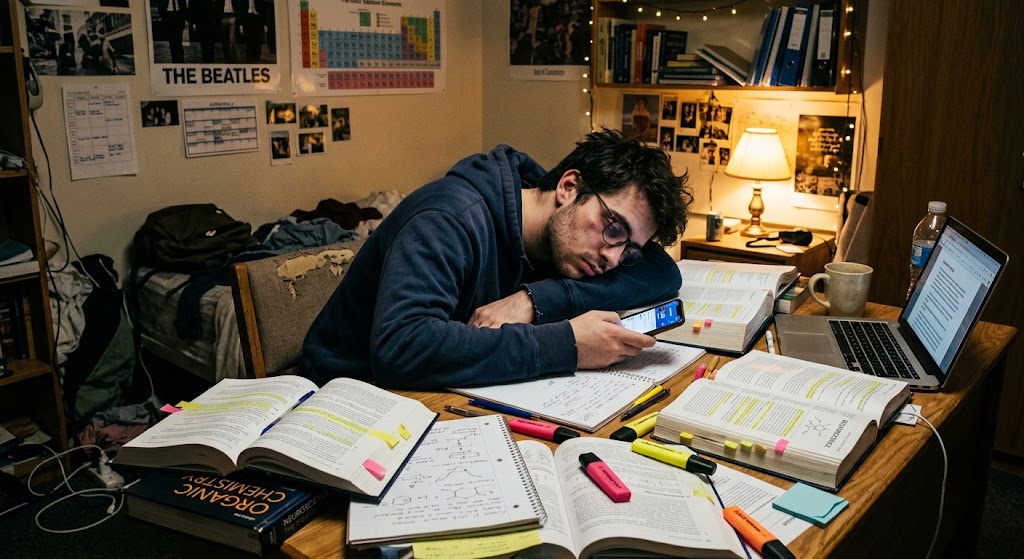
Why Scrolling Makes Studying Harder

Scrolling can make studying harder by training attention toward rapid novelty, switching, easy reward, and low frustration tolerance. Studying needs slower focus, active recall, and delayed reward, so phone habits can make quiet work feel harder.

Read article
African Everyday Health5 min read

Why Heat Can Make You Feel Weak and Dizzy

Heat can make you dizzy or weak by causing sweating, dehydration, salt loss, lower blood pressure, faster heartbeat, and overheating. Confusion, fainting, seizure, chest pain, severe weakness, or no improvement needs urgent care.

Read article
Skin, Wounds & Visible Health4 min read

Signs a Wound May Be Infected

A wound may be infected if redness spreads, warmth or swelling increases, pain worsens, pus or bad odor appears, fever develops, red streaks appear, or the person has diabetes, immune risk, poor circulation, a bite, burn, puncture, dirty wound, or tetanus-risk injury.

Read article
Skin, Wounds & Visible Health5 min read

How To Tell If a Wound Needs Medical Care

A wound may need medical care for uncontrolled bleeding, deep or gaping edges, exposed tissue, numbness, movement problems, bites, burns, punctures, dirty or rusty injuries, infection signs, tetanus risk, diabetes, poor circulation, or immune-system risk.

Read article
DrLina Safety4 min read

What DrLina Can And Cannot Do

DrLina can provide health education, organize symptoms, explain possible meanings, identify warning signs, suggest basic first-aid education, and prepare care questions. LinaScan can help structure visible wound concerns. DrLina cannot diagnose, prescribe, confirm safety from an image, replace clinicians, or handle emergencies.

Read article
DrLina chat avatar

DrLina

Health companion preview

Health Companion

Welcome to DrLina

I can help you think through symptoms, articles, daily patterns, LinaScan questions, and safe next steps. If something feels severe or sudden, seek medical care urgently.

What brought you here today?