A DAILY DISCOVERY / Sleep and light
Could your body's fat digestion timing be influenced by when you eat?
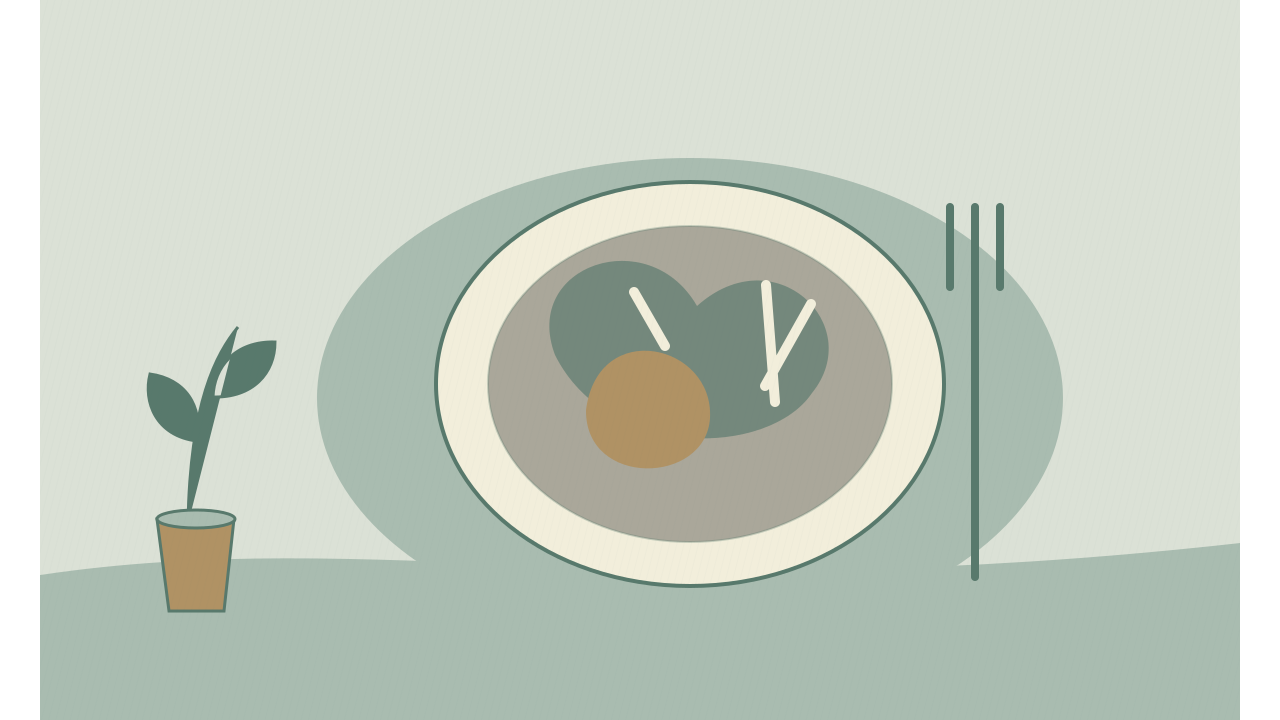
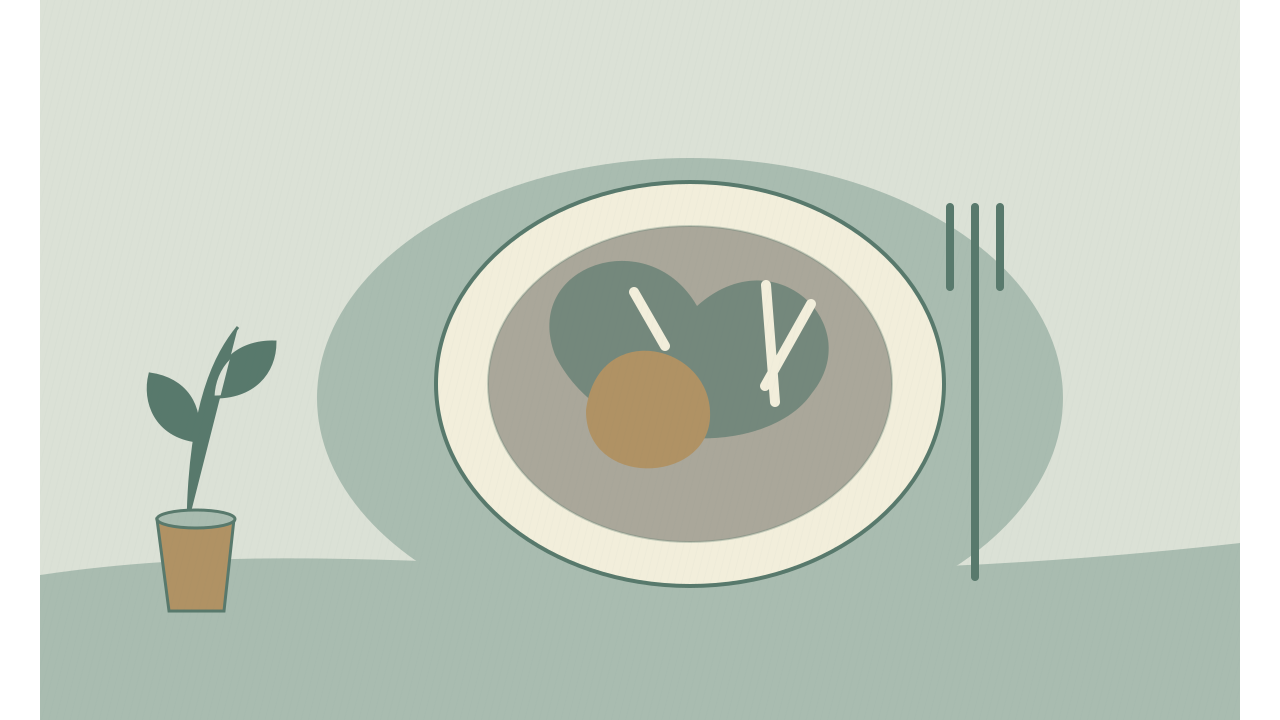
Your body's ability to process fats is linked to internal circadian clocks, including those in your liver, fat tissue, and muscles. Eating at unusual times might alter how your body handles fats, potentially affecting your metabolism.
Why it happens
The way your body handles fat varies according to various circadian clocks, including those in the liver, fat, and muscle. These internal clocks ensure that your liver is prepared to help digest fats at appropriate times. If you eat at unusual times, your body may handle fat differently, potentially disrupting this coordinated process. This suggests a link between meal timing and metabolic function, specifically regarding fat digestion.
Something to notice
Consider observing if eating meals at consistent times, aligned with your natural wake-sleep cycle, feels different for your digestion compared to eating at irregular times.
Keep the context
This observation is not a recommendation for a specific diet or eating schedule, nor does it guarantee any particular health outcome. Individual responses can vary, and other factors like sleep quality and duration also significantly impact metabolism. This insight focuses on the potential role of timing, not the content or quantity of food.
If you have concerns about your metabolism, digestion, or any health condition, or if you are considering significant changes to your eating patterns, please consult a healthcare professional. This information is for general knowledge and not a substitute for medical advice.
Sources and limits
Sleep and light
Source retrieved 2026-10-17
Written with AI assistance and checked automatically against the linked source material. This is not a clinician-reviewed article or a diagnosis. Source retrieval does not establish clinical review. Our editorial approach.