A DAILY DISCOVERY / Sleep and light
Why does your body change how it processes fat based on the time of day?
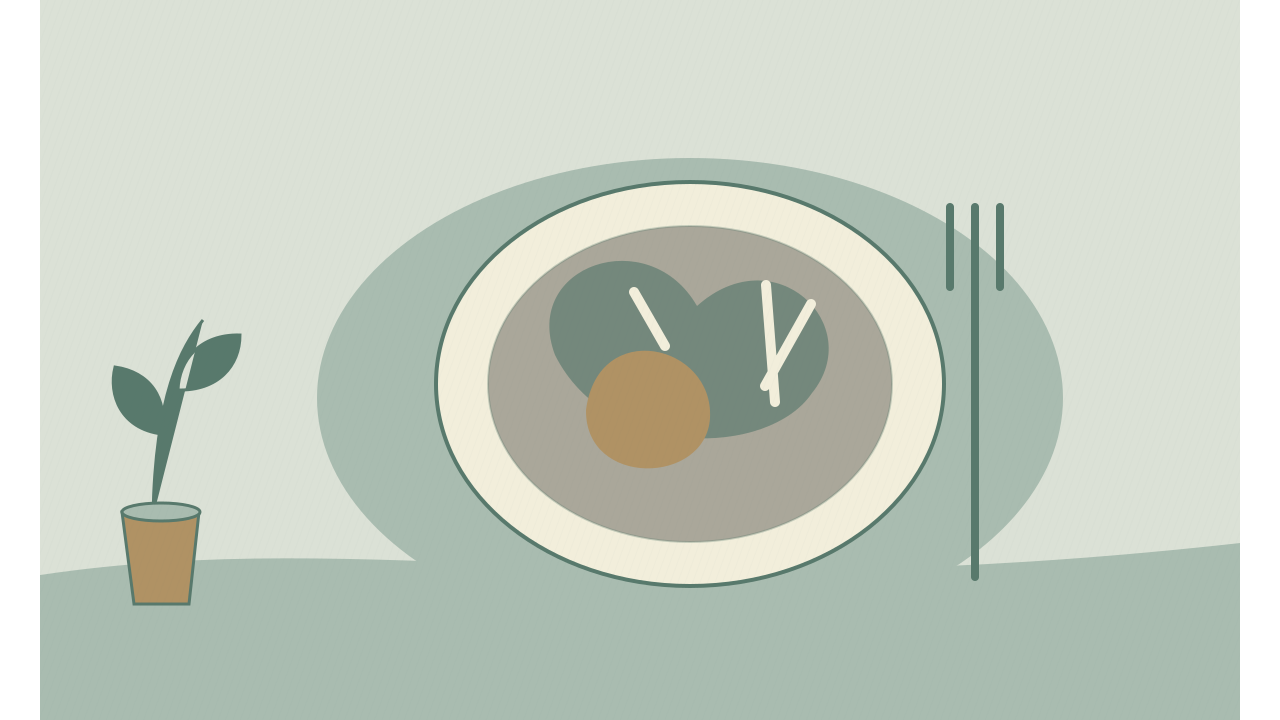
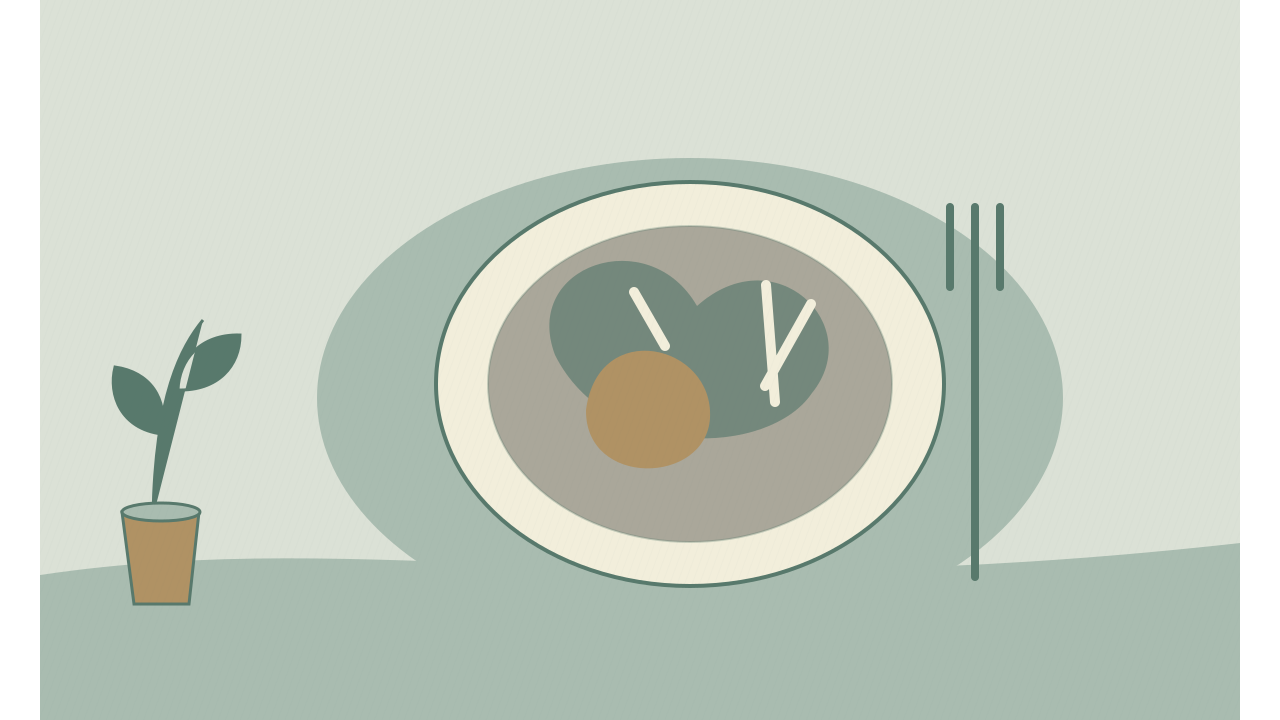
Your metabolism isn't just about what you eat; it's also about when you eat. Your body utilizes internal circadian clocks located in organs like the liver, fat, and muscle to coordinate digestion. These biological timers ensure your liver is prepared to process fats at specific times, meaning your body may handle the same meal differently depending on whether you eat at a typical time or an unusual one.
Why it happens
The body's metabolic efficiency is governed by circadian clocks, which are internal timing mechanisms found in tissues such as the liver, fat, and muscle. These clocks regulate the body's physiological readiness to perform specific tasks, including the digestion of fats. By aligning metabolic processes with these internal rhythms, the liver is primed to handle fat digestion at appropriate times. When eating occurs at unusual times that conflict with these circadian signals, the body's ability to manage fat metabolism can be altered. This system ensures that metabolic functions are synchronized with the body's 24-hour cycle, rather than operating at a static rate throughout the day.
Something to notice
Observe whether your energy levels or digestion feel different when you shift your meal times significantly, such as eating late at night versus during the day.
Keep the context
This information describes general circadian regulation and is not a weight-loss protocol or a treatment for metabolic disorders. Individual circadian rhythms can vary, and factors like sleep quality and overall diet composition also play significant roles in metabolic health. This observation is not intended to replace personalized nutritional advice.
If you experience persistent digestive issues, unexplained weight changes, or symptoms of metabolic conditions like diabetes, consult a healthcare provider for a professional evaluation.
Sources and limits
Sleep and light
Source retrieved 2026-11-11
Written with AI assistance and checked automatically against the linked source material. This is not a clinician-reviewed article or a diagnosis. Source retrieval does not establish clinical review. Our editorial approach.